Bose QuietComfort Ultra (2nd Gen) review: a quieter, smarter classic
Premium noise-cancelling headphones with USB-C listening and useful everyday controls. Here is what to consider before buying.
Review approach: an original analysis of manufacturer documentation. We have not conducted hands-on testing of this product.
The second-generation QuietComfort Ultra is built around a familiar promise: make everyday listening less demanding. Its documented upgrades put wired USB-C audio alongside wireless listening, while Quiet and Aware modes let you choose how much of the outside world to hear. Our assessment focuses on those practical choices, rather than claiming a listening test we have not performed.
Start with the way you listen
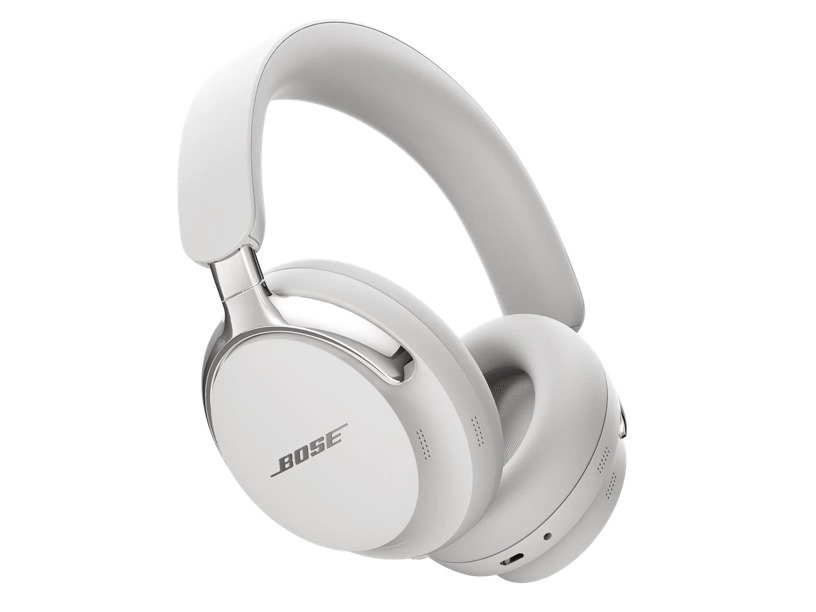
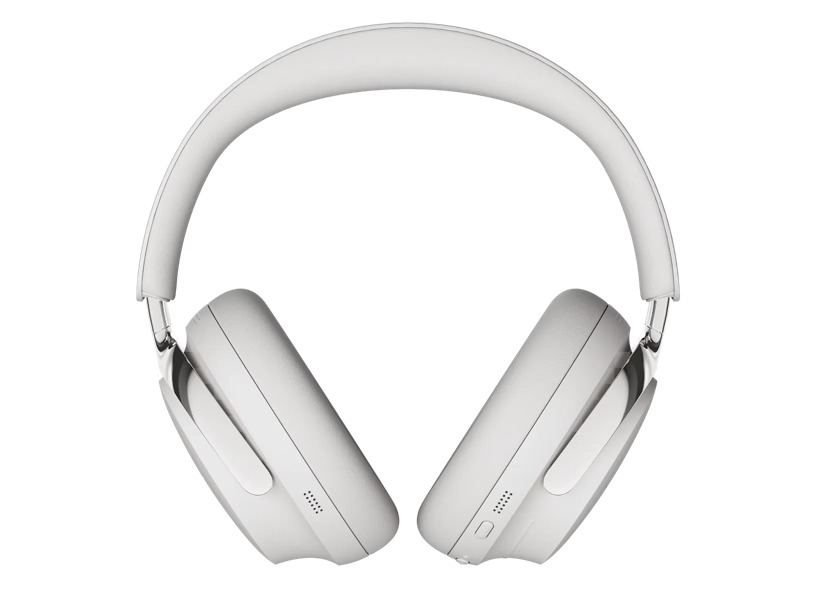
For a commuter, the important question is whether a headphone fits the whole journey. A padded headband, portable case and straightforward controls can matter more than an impressive list of audio formats. The Ultra offers several listening modes, but you should still try the fit with your glasses and usual hairstyle. Ear shape, clamp pressure and heat build-up are personal. Product photographs can show the cushions and construction; they cannot establish how comfortable a pair will feel after your own two-hour trip.
USB-C makes the connections more useful
USB-C audio is a meaningful option for someone who regularly works at a laptop or watches video on a compatible device. It gives you another way to connect without depending on the quality of a particular Bluetooth environment. Check your source device and cable requirements before treating this as a guaranteed improvement. For wireless use, investigate compatibility with your phone and the features available through the Bose app. A supported feature on the specification sheet is useful only if it works with your actual equipment.
Noise control without unrealistic promises
Quiet mode prioritizes active noise cancellation, while Aware mode is intended to bring outside sound through. Neither should be treated as a safety system or an assurance that every noise disappears. Our source-based assessment cannot rank these headphones against competitors in a lab. We would choose between models by trying them in a returnable purchase window, checking the controls and listening at a sensible volume. Immersive modes are optional experiences: audition them with familiar music instead of assuming that a more elaborate mode is always preferable.
Battery claims and the cost of ownership
Bose advertises up to 30 hours of playback in Quiet and Aware modes, with less time when Immersive Audio is enabled. That is a manufacturer figure, not an Aurora Lora measurement. Your volume, calls, settings and battery age will change the result. Compare the purchase price alongside replacement cushions, warranty coverage and return terms. If you already own a working noise-cancelling pair, the strongest reason to upgrade is a specific missing feature, such as USB-C listening, rather than the generation number alone.
Pros
- USB-C audio adds a useful wired listening option
- Quiet and Aware modes offer different listening priorities
- Carry case and replaceable wear parts are worth checking for travel
Cons
- Premium pricing needs a clear use case
- Fit and sound preferences still require a personal audition
- Immersive modes reduce the advertised playback time
Who should buy it?
Commuters and desk listeners who want premium noise control and both wired and wireless connections. Existing owners should identify the exact feature they need before upgrading.
The conclusion
A compelling feature set for a focused use case, especially if USB-C listening matters. Buy with a good return policy, test the fit, and compare the exact generation rather than relying on the QuietComfort name alone.
Sources and image credits
Manufacturer documentation for Bose QuietComfort Ultra Headphones (2nd Gen)
Bose official product imagery. Images illustrate this model and may show different finishes or configurations. Manufacturer claims have not been independently measured by Aurora Lora.