
Sonos Era 300 review: give spatial audio room to breathe
A home speaker built around connected listening and spatial audio. Placement, supported music and system role shape its appeal.
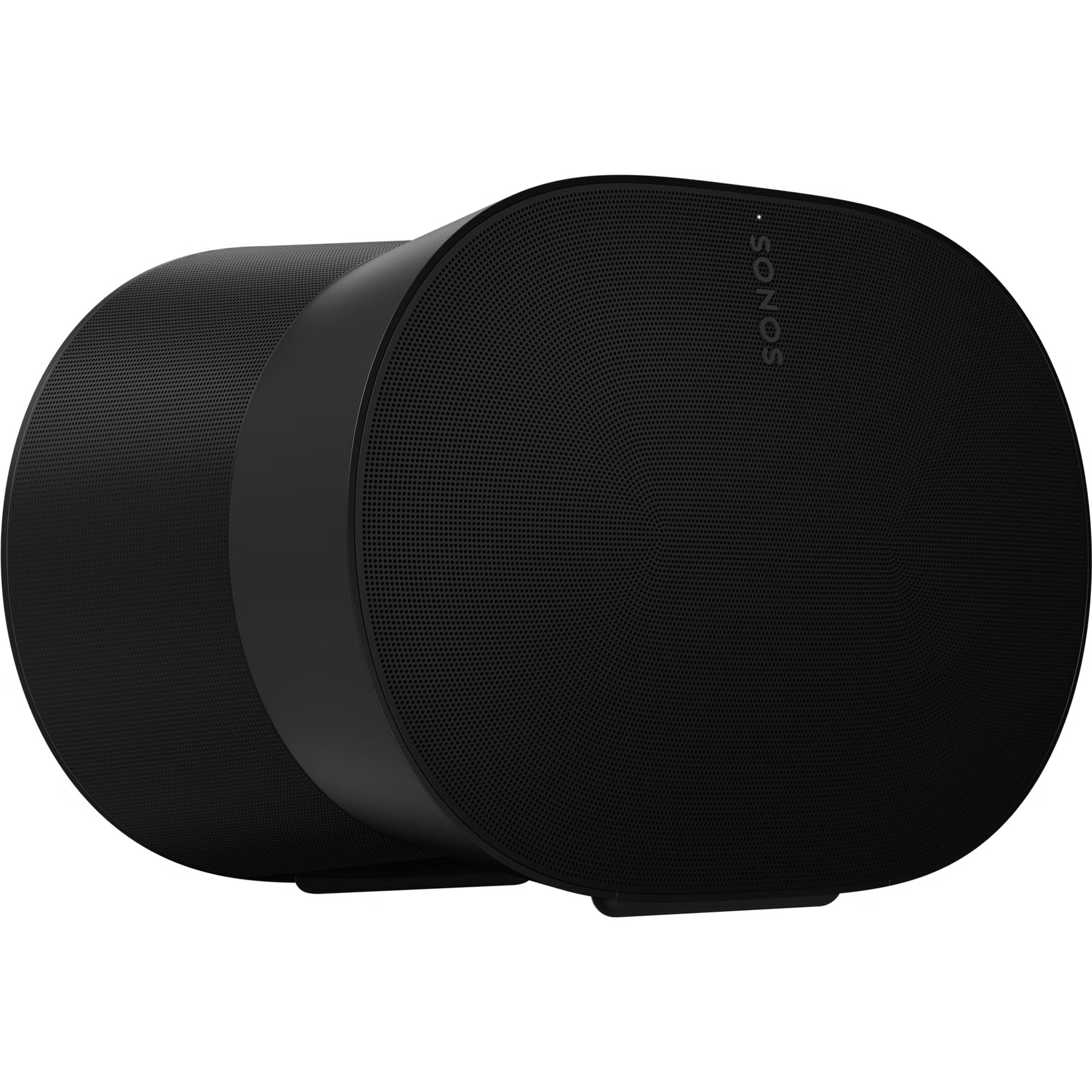
Review approach: an original analysis of manufacturer documentation. We have not conducted hands-on testing of this product.
The Era 300 asks for more thought than a small Bluetooth speaker. It is designed for a connected home audio setup, with spatial listening among its central features. Our assessment draws on Sonos documentation to explain placement, sources and system roles. We have not measured its output or auditioned it against competing speakers.
Choose the position before the speaker
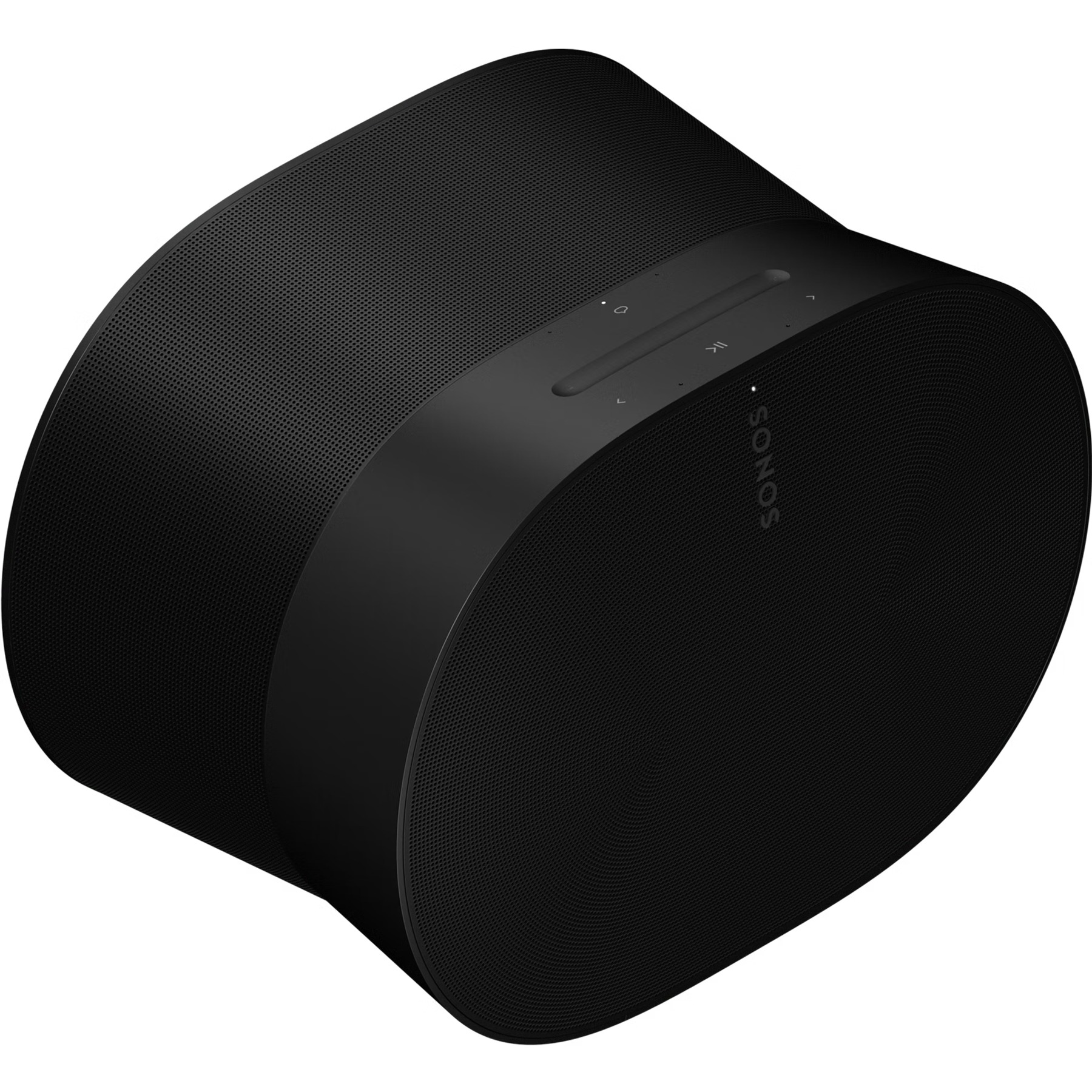
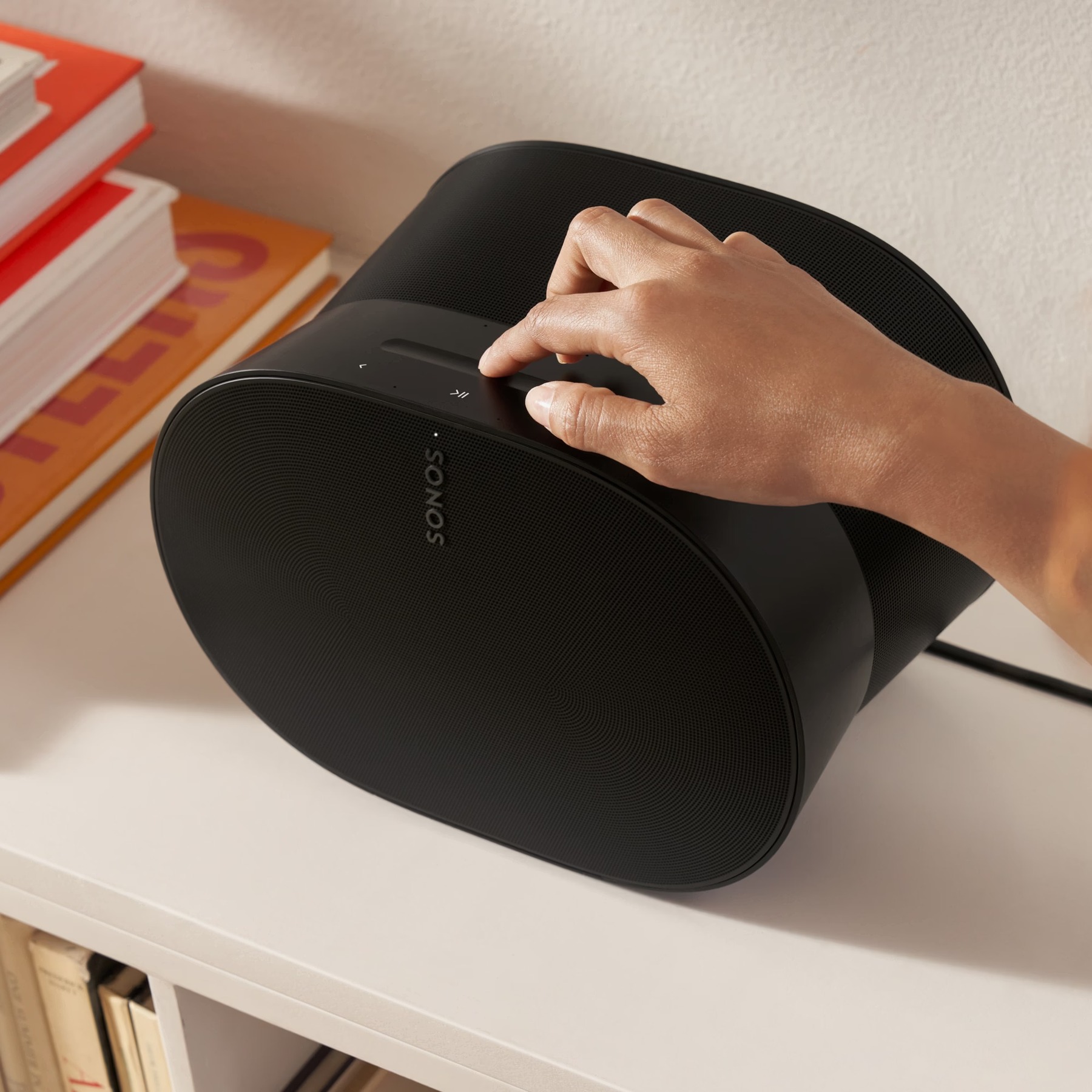
A speaker has to fit the room as well as the shelf. Measure the available space and read the placement guidance before buying. Avoid assuming that a unit intended to project sound in several directions will work equally well inside a tight cabinet. Think about the normal listening position, nearby walls and whether other objects obstruct the speaker. A product that looks attractive in a photograph can still be awkward in a real room once the power cable and access to controls are considered.
Spatial audio needs a supported route
The spatial-audio proposition depends on more than the speaker itself. Check the music service, subscription, content format and playback route you plan to use. A track appearing in a service library does not guarantee that every connection delivers its spatial version. Compare that with your normal habits: if you mostly play spoken audio or casual background playlists, the spatial feature may be less important than simple control and reliable access. Try familiar recordings where possible and make your own judgement about presentation.
Connections depend on the speaker's role
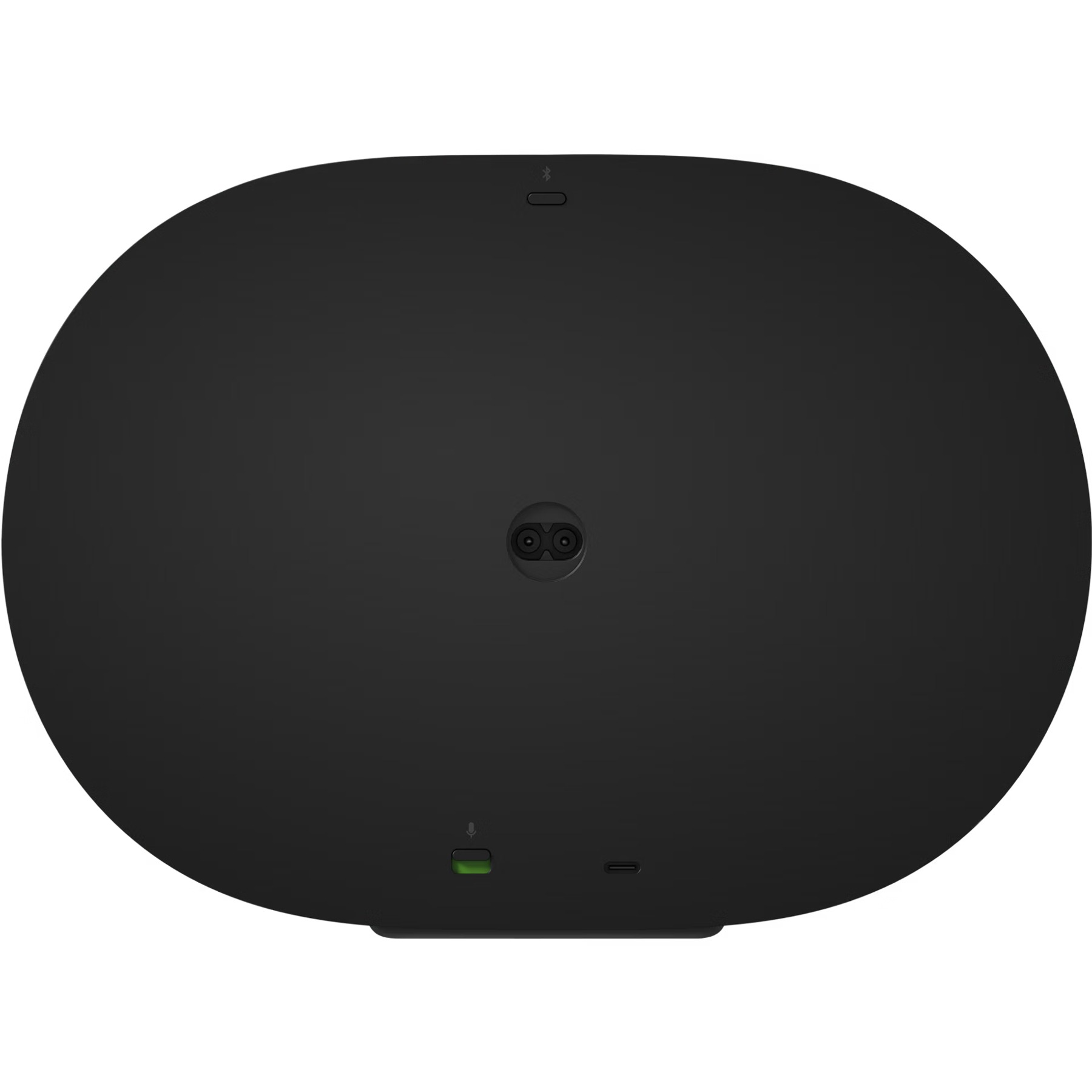
Sonos documents Bluetooth and an optional line-in route through its compatible adapter. Check what accessories are required for an external source, including whether a turntable needs a phono preamp. Also read the limitations for home-theatre surround use before buying two units for that role. Functions available to a standalone speaker may not remain available when it is configured as part of another system. Plan the whole connection chain rather than treating one USB-C socket as a universal input.
The ecosystem is part of ownership
A connected speaker brings software setup, network requirements and account management into the listening experience. Check the current app requirements and the devices your household uses. Consider how visitors will play music and how you will move the speaker or recover access after a phone change. If you are starting from scratch, compare the total cost of the intended system, including accessories and additional speakers. If you already own compatible Sonos equipment, the integration may be a stronger reason to choose it than any isolated feature.
Pros
- Multiple listening routes for a connected home
- Spatial-audio support for compatible services and content
- Can play a role in a broader compatible Sonos system
Cons
- Placement needs more attention than a small portable speaker
- Line-in may require a separately purchased adapter
- System role can restrict otherwise available inputs
Who should buy it?
Home listeners who have room for careful placement and want a connected speaker whose features fit their existing services or Sonos system.
The conclusion
Consider the Era 300 as part of a room and a playback system. It is most convincing when its placement, supported sources and intended role are settled before purchase.
Sources and image credits
Manufacturer documentation for Sonos Era 300
Sonos official product imagery. Images illustrate this model and may show different finishes or configurations. Manufacturer claims have not been independently measured by Aurora Lora.